
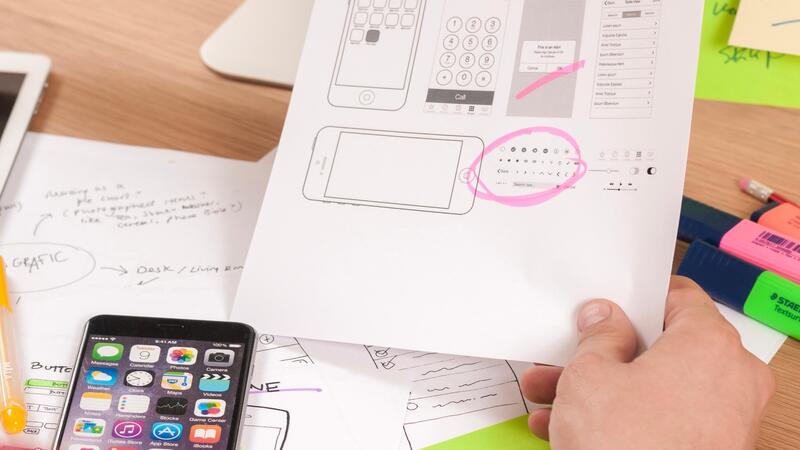
AI technologies transform both data analytical operations and automation processes while leading major changes in web development practices. As artificial intelligence continues to evolve, its impact extends beyond efficiency gains to redefining how digital experiences are created and refined. In design systems, artificial intelligence (AI) is used to automate, optimize, and improve a variety of UI and UX design elements, such as accessibility, user experience, and teamwork. AI-powered tools assist in generating responsive and adaptive designs, ensuring that digital products cater to diverse user needs while maintaining high usability standards. These intelligent systems also enable real-time data analysis, allowing designers to make informed decisions based on user behavior and emerging design trends.
These AI-powered systems perform evaluation tasks and discover trends together with generating creative concepts without significant human support. By leveraging deep learning algorithms and predictive analytics, AI can assess user interactions, identify patterns, and propose design modifications that enhance engagement and functionality. This automation reduces repetitive manual work, allowing designers to focus on more strategic and innovative aspects of their projects.
Designers can create advanced custom experiences that require less time and less effort by implementing AI functionality into their operational flow. AI-driven design assistants help streamline complex workflows, from wireframing and prototyping to testing and deployment. Additionally, AI fosters collaboration by integrating with design platforms, enabling teams to work more cohesively and iterate rapidly based on intelligent recommendations.
The combination advances competitive positions as well as speeds up product deliveries. Businesses leveraging AI in design and web development gain a significant advantage by reducing time-to-market and increasing adaptability to changing user demands. As AI continues to improve, its integration with design and development will further enhance precision, innovation, and overall digital transformation, positioning companies at the forefront of their industries.
AI’s Impact on Design
AI-powered technologies have become essential for UI and UX design optimization, offering advanced tools that enhance efficiency, accuracy, and creativity in design. As artificial intelligence continues to evolve, it is revolutionizing the way designers, developers, and businesses approach digital experiences. From streamlining workflows to improving functionality, AI-driven innovations are setting new standards for the industry. Here’s how AI is transforming the design and development process:
1. Effective Bug Detection
AI-driven solutions are widely used to identify and resolve code issues early in the development process. By applying machine learning algorithms to analyze code, AI can detect recurring patterns that indicate vulnerabilities or defects. This proactive approach allows developers to address potential problems before a project reaches completion, improving software stability and security. Moreover, AI-powered debugging tools can learn from previous errors, continuously improving their ability to detect and prevent issues over time. This minimizes downtime, reduces the risk of critical failures, and enhances overall software reliability.
Here are five AI-powered debugging tools:
1. DeepCode – Uses AI to analyze code, detect bugs, and provide intelligent suggestions for improvements.
2. Snyk Code – An AI-driven security and code analysis tool that identifies vulnerabilities in real time.
3. Codiga – Offers AI-based static code analysis, helping developers detect errors and improve code quality.
4. BugSnag – Uses AI to track, categorize, and prioritize bugs for faster debugging.
5. Embold – Analyzes source code to detect anti-patterns, vulnerabilities, and performance issues.
These tools enhance debugging efficiency by automating error detection and providing intelligent code suggestions.
2. Improved User Experience
AI-powered chatbots, virtual assistants, and recommendation engines have revolutionized user interactions. These intelligent systems process user preferences, analyze behavior, and deliver personalized experiences, enhancing customer satisfaction and engagement. By responding to queries in real time and offering tailored suggestions, AI ensures seamless and intuitive user experiences. Additionally, AI-driven analytics help businesses understand user behavior at a deeper level, enabling them to refine interfaces, predict user needs, and create more intuitive navigation paths. This results in higher retention rates and improved customer loyalty.
Here are five AI-powered tools for improving user experience (UX):
1. Adobe Sensei – Uses AI to personalize content, automate design tasks, and enhance UX through intelligent recommendations.
2. ChatGPT (OpenAI) – Enhances user engagement with AI-powered chatbots that provide real-time assistance and personalized interactions.
3. Google Optimize – AI-driven A/B testing and personalization tool for improving website experiences based on user behavior.
4. Hotjar AI – Uses AI to analyze heatmaps, session recordings, and user feedback to optimize website design and navigation.
5. Dynamic Yield – AI-powered personalization engine that customizes content, layouts, and product recommendations for each user.
These tools help businesses deliver more intuitive, engaging, and user-centric digital experiences.
3. Smarter Web Design
AI-driven design tools analyze user behavior, industry trends, and existing web designs to create aesthetically pleasing and highly functional layouts. These tools help designers craft responsive, data-driven websites that cater to user preferences while saving time and effort. As a result, web designs become more intuitive, accessible, and visually appealing. AI can also generate adaptive design elements that adjust dynamically based on user interactions, ensuring an optimized experience across different devices and screen sizes. Furthermore, AI-powered automation in design reduces manual tasks, allowing designers to focus more on creative and strategic aspects.
Here are five AI-powered tools for smarter web design:
1. Wix ADI (Artificial Design Intelligence) – Automatically creates website layouts based on user preferences and content input.
2. Framer AI – Generates interactive website prototypes and design components using AI-driven automation.
3. Uizard – Transforms hand-drawn sketches into functional UI designs with AI-powered recognition.
4. Khroma – Uses AI to generate color palettes tailored to user preferences and design trends.
5. Durable – AI-powered website builder that creates professional sites in seconds based on user input.
These tools streamline the web design process, making it faster, more intuitive, and accessible to both designers and non-designers.
4. Enhanced SEO Optimization
AI has significantly reshaped search engine optimization (SEO) by helping websites rank higher through data-driven strategies. AI-powered tools analyze keyword trends, optimize content for search engines, and evaluate patterns in user behavior. This ensures that websites are not only search-engine friendly but also deliver relevant and engaging content to users. Additionally, AI-driven SEO tools provide real-time insights, enabling businesses to adjust their content strategies based on shifting search algorithms and user intent. By integrating AI into SEO efforts, companies can maintain visibility, drive organic traffic, and improve conversion rates.
Here are five AI-powered tools for enhanced SEO optimization:
1. Surfer SEO – Uses AI to analyze top-ranking content and provide keyword suggestions, content structure, and optimization tips.
2. Semrush AI Writing Assistant – Enhances SEO by optimizing content readability, keyword usage, and tone for better search rankings.
3. Alli AI – An AI-powered SEO automation tool that suggests and implements on-page SEO improvements.
4. MarketMuse – Uses AI to analyze content gaps, suggest relevant topics, and improve content quality for better rankings.
5. RankIQ – AI-driven keyword research and content optimization tool designed to help websites rank faster on Google.
These tools help improve search visibility, keyword strategy, and content effectiveness through AI-driven insights.
5. Streamlined Web Development
AI automates various aspects of web development, from generating code snippets to testing applications and recommending security and performance enhancements. These tools simplify the development process, reducing the time and effort required to launch a website or application. By lowering the technical barriers, AI empowers aspiring developers and promotes innovation in web development. AI-assisted development platforms also provide intelligent code suggestions, automate repetitive tasks, and facilitate error detection, resulting in faster project completion. Moreover, AI can assist in real-time security monitoring, detecting and mitigating potential cyber threats before they escalate.
By integrating AI into the UI and UX design and development process, businesses and designers can achieve greater efficiency, improve user experiences, and stay competitive in an evolving digital landscape. As AI continues to advance, it will further redefine the boundaries of creativity, functionality, and efficiency, leading to a future where intelligent automation and human ingenuity work hand in hand to create innovative digital solutions.
Here are five AI-powered tools for streamlined web development:
1. GitHub Copilot – AI-powered coding assistant that suggests code completions, functions, and entire code snippets.
2. Tabnine – AI-driven autocomplete tool that enhances coding efficiency by predicting and generating code in real-time.
3. DeepCode – AI-based static code analysis tool that detects vulnerabilities and suggests fixes.
4. TeleportHQ – AI-powered website builder that converts wireframes or sketches into functional website code.
5. CodeWP – AI tool designed specifically for WordPress development, generating code for themes, plugins, and automations.
These tools help developers write code faster, reduce errors, and automate parts of the development process.
Understanding AI in UI and UX Design Systems
In essence, AI is being utilized to improve the intelligence of UI and UX design systems. AI has the potential to improve things, automate processes, and even facilitate collaboration, replacing designers’ handwork. It analyzes data, identifies trends, and generates design concepts—often with minimal human involvement. By integrating AI, design systems become more adaptive, responsive, and efficient, reducing manual effort while enhancing creativity and precision.
AI accomplishes this in four main ways: Natural language processing understands voice commands and conversations, enabling voice-activated interfaces and automated content generation; computer vision “sees” and modifies visual elements, assisting in image recognition, layout adjustments, and accessibility enhancements; generative AI creates designs customized for each user, dynamically adapting colors, layouts, and content to suit individual preferences; and machine learning learns from users and improves over time, optimizing design decisions based on real-world interactions and feedback. Together, these AI-driven capabilities redefine how digital experiences are crafted, making design more intuitive, personalized, and scalable.