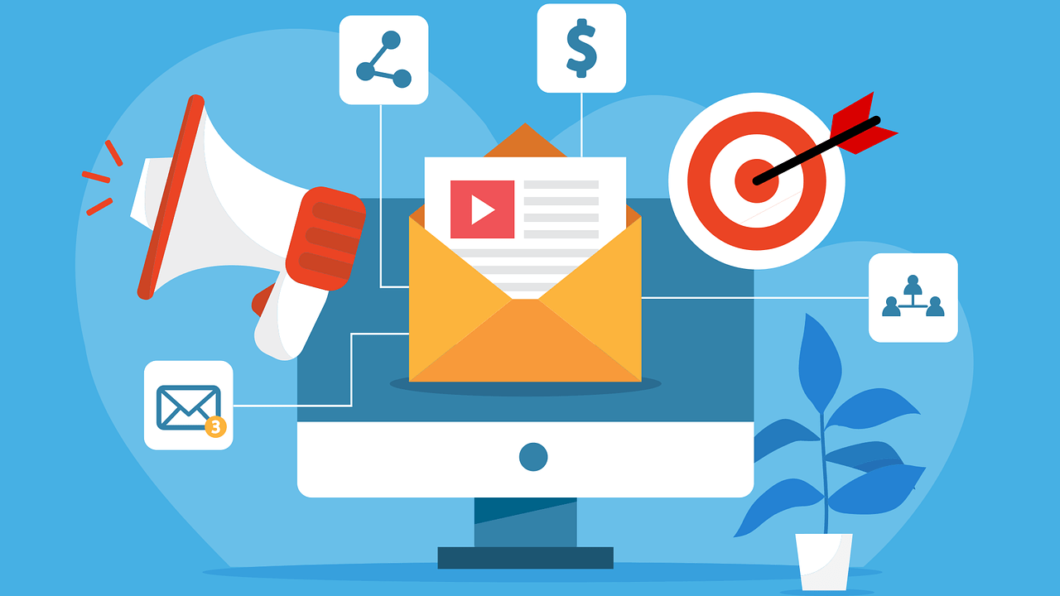
Forming a deep connection with your audience is crucial for the long-term prosperity of any online business in today’s digital environment. Despite the wide variety of marketing tactics, email marketing is still a reliable, effective technique that is frequently disregarded. It allows businesses to speak directly to their customers in a personalized and consistent manner, building trust and loyalty over time. Unlike social media platforms that are subject to changing algorithms and limited reach, email provides a direct line of communication that remains under your control. With the right strategy, it can nurture leads, drive repeat purchases, and turn casual subscribers into lifelong brand advocates.
What is Email Marketing?
Delivering specific and customized messages to a list of individuals is called email marketing. Different business platforms can interact with their customers through this dynamic, immediate, and personal medium. Email marketing is a game-changer for expanding your online business. Following are some points that will explain how this happens.
Relationship Building and Maintaining
One’s business and their customers are linked through email marketing, which provides an atmosphere for building and nurturing enduring relationships. It allows you to interact with customers on a personal level by delivering special deals, quality material, and relevant updates on a consistent basis. This ongoing communication fosters trust and familiarity, making customers feel valued and more likely to engage with your brand over time. Additionally, it helps maintain visibility in your audience’s minds, keeping your business top-of-mind when they’re ready to make a purchase.
Cost Friendly
Email marketing is cost-effective. There are no significant advertising costs, printing expenses, mailing costs, etc. If you use appropriate tools and tactics, you can reach millions of subscribers without blowing the finances. Many email marketing platforms offer free or affordable plans for small businesses, and automation features save time and resources while maintaining communication quality. The return on investment (ROI) for email marketing is also consistently high, making it one of the most profitable marketing channels available.
Customization of Customers
Customization can make email marketing a successful one. Through this, you can make categories based on behavior, demographics, interest, etc., and then send pertinent content to the subscribers, which can also strengthen the relationship with them. Tailored content increases engagement rates and reduces unsubscribes, as recipients are more likely to open and act on messages that resonate with their needs. Segmented email lists also allow for targeted promotions and personalized experiences, which can drive higher conversions and customer satisfaction.
Results are Measurable
This platform provides comprehensive data which allows one to monitor the success of the campaign that they have started. You can improve your strategy by using measures like click-through, open rates, conversion rates, etc. You can also make decisions based on data to increase the efficacy of a campaign. These insights help you understand what resonates with your audience and where there’s room for improvement. Real-time tracking also enables A/B testing and iterative optimization, ensuring your campaigns evolve and become more effective over time.
How many marketing emails are too many?
Understanding the limit of how many marketing emails are too many is an important challenge for companies which use email marketing. Finding the ideal balance between sending too few emails, which might stifle growth, while sending too many, which can trigger an influx of unsubscribers, is crucial. The right frequency helps maintain interest without overwhelming your audience, ensuring that your messages are anticipated rather than ignored or marked as spam.
Your audience, content, and objectives will all influence how frequently you send marketing emails. An excellent rule of practice is to refrain from sending daily emails to your subscribers. Instead, think about the following advices:
Classification of Customers
You can do classification on the basis of subscribers’ behavior and their preferences, and then you can send emails more often to engaged subscribers who show an interest in your content and less frequent emails to subscribers who aren’t as active. Segmenting your list allows for a more tailored approach, enabling you to maximize engagement while minimizing annoyance. You can also identify dormant subscribers and design re-engagement campaigns specifically for them without affecting your more active users.
Relevance of Your Content
The practical relevance of your content plays an important role in determining how frequently you send emails to the customers. Subscribers are more inclined to put up with additional emails if you constantly deliver interesting material that connects with them. High-value content such as exclusive tips, personalized recommendations, or time-sensitive offers can justify more frequent communication without feeling intrusive.
Customers’ Preference
You should allow your subscribers to choose the frequency of their emails. Some people might want daily information, while others might prefer weekly or monthly emails. Providing this option empowers your audience and shows that you respect their preferences, which can lead to increased loyalty and reduced unsubscribe rates. A simple preference center in your sign-up or unsubscribe process can help collect this data efficiently.
Monitoring and Tracking
Keep track of the engagement statistics for the emails that you have sent to customers. If open rates start to decline or there is a rise in unsubscribers, it may be a sign that you are sending too many emails. Find a frequency range that connects with your audience by experimenting with various frequencies. Analyze metrics like click-through rates, bounce rates, and complaint rates regularly to fine-tune your approach.
Consistency of Business Owners
One should always be consistent, no matter what frequency you decide. High interactions can be achieved when subscribers know when to anticipate emails, and they also appreciate this. Regular scheduling also helps build trust and reliability, ensuring that your emails become a routine part of the subscriber’s inbox experience.
Quality over Quantity of Emails
You should never compromise the quality of the email over quantity. Customers would also love to read informative and interesting content rather than inadequate one. Every email should have a clear purpose, relevant message, and engaging design. Sending fewer high-quality emails can be far more effective than bombarding subscribers with frequent, low-value content that damages your reputation over time.
By finding the right balance between frequency and value, you can create a sustainable email marketing strategy that fosters engagement, minimizes unsubscribes, and maximizes long-term results.
How many marketing emails to send per week?
The number of marketing emails you should send each week depends on your business, the demographics of your audience, and your approach to writing. You can use the following recommendations to choose the ideal email frequency for your digital business:
Daily Emails
Online businesses that can send emails daily are companies with significant and highly engaged customers, news agencies, companies providing deals of the day, etc. These emails should include new and informative content every day to keep the subscribers interested and active. To maintain engagement, it’s essential that daily emails are concise, well-structured, and provide immediate value. Offering personalization and dynamic content in these daily emails can further improve effectiveness and reduce the risk of unsubscribes.
2–3 Emails Per Week
Sending one or two emails each week for the majority of businesses achieves an equilibrium between keeping subscribers informed and not overloading them. You can include advertisements, revisions, and helpful content in these emails so that the audience can stay informed. This frequency allows for consistent touchpoints with your audience without overwhelming them, making it ideal for product updates, blog digests, or weekly promotions. It also enables you to test different types of content to see what resonates best with your subscribers.
Bi-Weekly
Bi-weekly emails help the online businesses whose plans are extensive and long-term. By sending biweekly emails, you can gather more important announcements and send them all in one extended email. This approach is especially useful for service-based businesses or those with slower content cycles. It gives more time to curate valuable insights, case studies, or newsletters with richer content, and encourages higher engagement from readers who prefer less frequent contact.
Monthly Emails
Businesses that don’t frequently have updates or incentives to present should send monthly emails. In this summary of the month’s highlights, major announcements, and in-depth information is given. Monthly emails are ideal for maintaining a consistent presence in your audience’s inbox without demanding too much of their attention. They can include roundups, customer spotlights, product news, and even sneak peeks into upcoming plans or events, helping maintain brand awareness and connection over time.
Emails Based on Special Occasions
These emails are sent on special occasions like event launches, holidays, customer’s birthdays, etc. These types of emails give an additional dimension to email marketing strategy that can help build stronger relationships with your customers. Occasion-based emails are often well-received because they feel timely and personalized. They can include exclusive discounts, festive greetings, or milestone recognitions, all of which can boost customer loyalty and increase the likelihood of conversion during key moments.
Bonus Tip – Let Your Data Guide You
No matter which frequency you choose, it’s essential to monitor subscriber behavior. Engagement metrics such as open rates, click-throughs, and unsubscribe rates can help you refine your schedule over time. A/B testing different frequencies can also provide clarity on what works best for your unique audience.
By understanding your audience and aligning email frequency with your content strategy, you can maintain strong communication, drive engagement, and ultimately boost the growth of your digital business.