

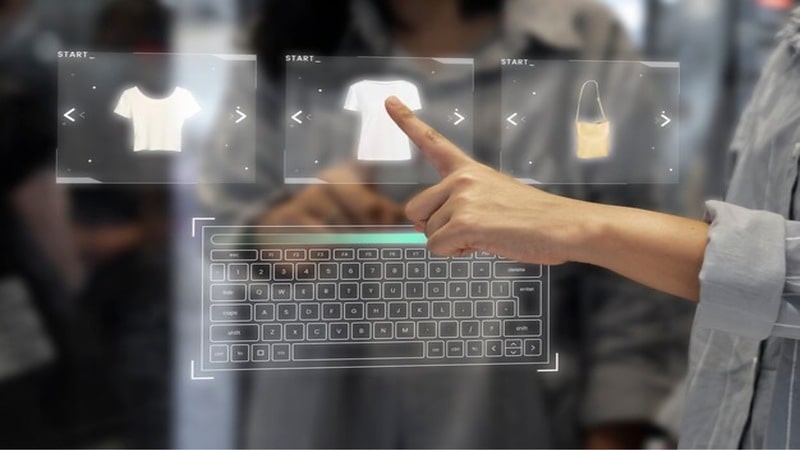
Our shopping style has changed. And, e-commerce is transforming the way people buy by quickly adjusting to their needs. Especially, after the pandemic, we are convinced to shop online due to the habit they built in. With the rapid advancement of technology, including AI-driven recommendations, seamless payment options, and personalized shopping experiences, the e-commerce landscape continues to evolve. These days, even big retailers sell directly to consumers, leveraging digital platforms to enhance customer engagement and streamline logistics. This is a positive thing for brands because the intermediaries’ removal reduces costs and brand profits increase, allowing businesses to invest more in innovation and customer satisfaction. Understanding e-commerce trends is crucial for businesses that want to stay competitive in the rapidly evolving digital marketplace.
We have listed the top e-commerce trends. These trends will help you stand out from the crowd and establish your brand in online retail, ensuring you stay ahead in this competitive digital marketplace.
Automated Customer Service Through Chatbots
Chatbots are revolutionizing customer service in e-commerce. These AI-powered assistants are more than a passing fashion. They’re becoming necessary. With advancements in natural language processing (NLP) and machine learning, chatbots are becoming increasingly sophisticated, offering personalized interactions and handling complex requests with ease. Chatbots and automated customer service solutions are among the most impactful e-commerce trends, ensuring brands provide instant support and enhance customer satisfaction.
Here are some ways chatbots are improving the online buying experience:
Chatbots respond to customer inquiries immediately, providing quick resolutions and enhancing customer satisfaction.
They recommend products based on previous purchases and consumer preferences, leading to a more personalized shopping experience and increased sales.
Chatbots walk clients through the purchasing experience, from browsing to checkout, ensuring a seamless and hassle-free journey.
They can swiftly gather consumer feedback and use it to improve service, helping brands adapt to customer needs and enhance their offerings.
By automating routine questions, human personnel may focus on more complicated concerns, improving efficiency and allowing businesses to allocate resources more effectively.
Chatbots also assist with order tracking, returns, and refunds, minimizing frustration and building customer trust.
They support multiple languages, making it easier for global businesses to cater to diverse audiences.
As chatbot technology continues to evolve, businesses that embrace AI-driven customer service will gain a competitive edge, providing exceptional user experiences while optimizing operational efficiency.
Minimalist Design
Minimalist design is sweeping the e-commerce market. It all comes down to keeping things basic and neat. Minimalist website design and faster loading speeds are becoming essential e-commerce trends that improve user experience and drive higher conversions. In the crowded online arena, this trend is a breath of fresh air, offering a visually appealing and distraction-free environment that keeps shoppers engaged. Customers like websites that provide a simple, clean buying experience, allowing them to find what they need quickly and efficiently.
Here are some of the reasons why minimalist design is popular:
It emphasizes what’s important, making purchasing decisions easier by drawing attention to key products and essential information.
Simple menus and fewer buttons result in less confusion, reducing cognitive overload and improving navigation.
Neutral colors and basic designs provide a peaceful shopping environment, creating a sense of sophistication and trustworthiness.
Minimalist sites tend to load faster, which pleases impatient customers and reduces bounce rates. Faster loading times also contribute to better search engine rankings.
Uncluttered pages allow products to stand out more, making them more enticing and encouraging impulse purchases.
A well-structured minimalist layout improves mobile responsiveness, ensuring a seamless experience across all devices.
Less visual noise leads to a more intuitive user journey, guiding customers toward checkout with fewer distractions.
By embracing minimalist design, e-commerce brands can create elegant, user-friendly websites that not only look modern but also enhance functionality, ultimately leading to higher engagement and sales.
AR is Changing the Way We Shop
It is one of the most popular e-commerce trends that we will watch in the future. Our online buying experience is transformed by augmented reality (AR). It’s not just a great feature; it’s becoming an important component of online shopping, bridging the gap between digital and physical retail. With AR, customers can interact with products in a way that was previously only possible in brick-and-mortar stores. Businesses across various industries, including fashion, furniture, and beauty, are adopting AR to enhance customer confidence and drive sales. The VR headset enables users to be emersed in a world called metaverse and experience shopping in 3D world
Customers may view things in a realistic atmosphere directly from their devices thanks to augmented reality. This technique is extremely effective for things that require size, fit, and style. Whether trying on virtual clothing, placing a digital sofa in their living room, or testing different makeup shades, AR provides a level of personalization that improves decision-making. Customers can see how things will appear in real life, eliminating guessing and reducing hesitation in the buying process.
Here are some key benefits of AR in e-commerce:
Products can be viewed in 3D, which provides a more accurate sense of size and proportions, helping customers understand exactly what they’re purchasing.
Decisions based on confident purchases and fewer returns, reducing costs for businesses and increasing customer satisfaction.
AR creates interesting commercials that more successfully attract customer interest, making marketing campaigns more interactive and engaging.
AR improves the overall purchasing experience by making it more engaging and enjoyable, encouraging customers to spend more time exploring products.
Virtual try-ons allow customers to personalize their shopping experience, increasing trust in their selections.
AR-powered shopping reduces cart abandonment by giving buyers the assurance they need before making a purchase.
Brands leveraging AR technology stand out in the competitive e-commerce landscape, offering an innovative and memorable customer experience.
As AR technology continues to evolve, businesses that integrate it into their online stores will gain a competitive advantage, providing customers with an immersive and interactive way to shop.
Voice Assistants
The voice assistants in your smart devices are up next on our list. They are altering the way we shop. It’s all about comfort and convenience, allowing users to make purchases hands-free while multitasking. Whether at home, in the car, or on the go, voice commerce is making online shopping more seamless than ever. With continuous advancements in AI and natural language processing, voice assistants are becoming more intuitive, understanding user intent better and delivering highly personalized shopping experiences.
Say goodbye to buying with only your voice. Major tech players like Siri, Google Assistant, and Alexa are at the forefront of this trend, enabling consumers to browse, compare, and purchase products with minimal effort. Voice shopping is particularly beneficial for routine purchases, such as groceries and household essentials, as well as for reordering frequently bought items.
Here’s why voice assistants are changing e-commerce:
Simply speak to place your order. It’s as simple as that, making shopping faster and more efficient.
Forget about typing searches and flipping through pages, as voice commands streamline the shopping experience.
Voice assistants respond quickly to questions, making shopping easier by providing instant product details, availability, and recommendations.
They can make better suggestions by understanding your preferences, learning from past purchases, and tailoring recommendations to your habits.
Voice commerce integrates with smart home devices, allowing users to manage shopping lists, schedule deliveries, and track orders effortlessly.
Multilingual capabilities are improving, enabling voice shopping for a global audience.
Businesses optimizing their online stores for voice search gain an advantage in SEO, reaching more customers who prefer hands-free browsing.
As voice recognition technology improves, voice commerce is expected to grow exponentially. Brands that adapt their e-commerce platforms to accommodate voice search and commands will enhance user experience and stay ahead in the evolving digital marketplace.
Social Media Shopping
Your social media is no longer only for perusing and liking. Shopping via social media sites is getting increasingly popular. The rise of social media shopping is one of the most significant e-commerce trends, allowing brands to connect with customers directly on platforms like Instagram and TikTok. This shift is revolutionizing how brands connect with consumers, allowing them to shop without ever leaving their favorite apps.
Brands are capitalizing on this trend by making it easy for you to shop exactly where you are. Social commerce eliminates friction in the buying process, enabling businesses to showcase products through visually appealing posts, stories, and live streams. Influencers and content creators play a key role in this space, as their recommendations often lead to higher engagement and conversions.
Here’s how social media is transforming shopping:
Purchase things directly on sites such as Instagram and Snapchat, making transactions effortless with integrated checkout options.
Fewer clicks to buy equates to a more pleasant shopping experience, reducing cart abandonment rates and increasing impulse purchases.
Social media interactive ads attract you and make purchasing enjoyable, utilizing AI-driven recommendations to personalize offers.
Features such as the ‘Shop Now’ buttons make the purchasing process easier, allowing users to buy products without leaving their social feed.
As the use of social media expands, the reach out also increases, helping brands target global audiences and grow their customer base.
Live shopping events enable real-time interactions, where customers can ask questions and see product demonstrations before making a purchase.
User-generated content, such as reviews and unboxing videos, enhances trust and encourages more conversions.
AI-powered chatbots on social media platforms assist shoppers with recommendations, order tracking, and customer service.
As social media shopping continues to evolve, businesses that embrace these features will build stronger connections with their audience, boost engagement, and drive higher sales. The future of e-commerce is more social than ever!
Multichannel Advertising
Multichannel advertising is a game changer in terms of reaching out to customers. The concept is simple but effective: be where your clients are, whether online or offline. With customers engaging across multiple platforms—social media, search engines, email, physical stores, and even connected TV—brands must adopt a seamless strategy to stay visible and relevant. This method provides a unified shopping experience, keeping clients connected to your business across several channels, ensuring a smooth and personalized journey from discovery to purchase.
Customers can easily transition between online and offline channels with a unified shopping journey, creating a more cohesive brand experience. Whether they discover a product through a Google ad, see it again in their social media feed, and finally purchase it in-store or via a mobile app, multichannel advertising ensures that every touchpoint works together to drive conversions.
Here’s how multichannel advertising benefits brands:
Reach clients in places where they spend the majority of their time through targeted ads, increasing brand visibility and engagement.
Maintain consistency in your brand message across all channels, reinforcing trust and making your brand more recognizable.
Remind customers of things they viewed or placed in their shopping basket through personalized retargeting campaigns, reducing cart abandonment rates.
A multichannel strategy increases customer interest and interaction with your brand, leading to higher engagement, loyalty, and ultimately more sales.
Leverage data analytics to optimize campaigns across different platforms, ensuring the right message reaches the right audience at the right time.
Integrate in-store and digital experiences by offering click-and-collect options, QR code promotions, and personalized recommendations based on browsing history.
Enhance customer retention by using email and SMS marketing to follow up on abandoned carts, special promotions, or loyalty rewards.
As consumer behavior continues to evolve, businesses that implement a strong multichannel advertising strategy will gain a competitive edge, keeping their brand top-of-mind and making the shopping experience more convenient and engaging for customers.
Headless E-Commerce
Headless e-commerce is altering online stores. It divides the front-end presentation from the back-end data administration, allowing businesses to create more dynamic, personalized, and seamless shopping experiences. This approach enables brands to decouple their website’s design and user interface from the e-commerce infrastructure, providing tremendous flexibility and customization choices. With the rapid evolution of online shopping trends, businesses need an agile solution to quickly adapt to changing customer expectations, and headless e-commerce delivers just that.
By using APIs, businesses can manage content, products, and transactions independently while delivering a seamless experience across various touchpoints, including websites, mobile apps, voice assistants, and IoT devices. Whether a company wants to integrate AR shopping, AI-driven recommendations, or a fully interactive mobile app, headless e-commerce makes it all possible without disrupting backend operations.
Here’s why headless e-commerce is gaining traction:
Changes to the website can be made more quickly and efficiently, allowing businesses to test new features, update designs, and optimize performance without affecting backend systems.
Tailor the purchasing experience to different client segments, delivering highly personalized content, promotions, and recommendations based on user behavior and preferences.
Easily connect with multiple marketing tools and platforms, enabling seamless integration with CRM software, email marketing systems, loyalty programs, and social media campaigns.
Websites load faster, which increases consumer happiness, reducing bounce rates and improving SEO rankings.
Adapts easily to new markets and customer preferences, making it easier for businesses to scale internationally and localize content for different regions.
Future-proofs e-commerce stores by allowing easy adoption of emerging technologies such as AI, voice commerce, and progressive web apps (PWAs).
Enhances omnichannel shopping by delivering a consistent experience across web, mobile, social media, and in-store digital displays.
As online shopping continues to evolve, businesses adopting headless e-commerce will gain a competitive edge, offering innovative, fast, and highly customizable shopping experiences that meet modern consumer demands.
Influencer Marketing
Let’s discuss influencer marketing now. This method entails cooperating with well-known social media influencers who have established trust and rapport with their followers. Influencer marketing continues to be one of the top e-commerce trends, as trusted content creators help brands reach niche audiences with authentic recommendations. Their ability to directly connect with their audience in a relatable manner helps build trust and credibility, making it an effective way to boost brand awareness and drive sales.
Influencer marketing has proven to be an effective strategy for brands looking to reach specific audiences, expand their online presence, and establish social proof for their products. The growing influence of social media platforms such as Instagram, TikTok, and YouTube has made influencer partnerships a cornerstone of modern digital marketing.
Here’s how influencer marketing is establishing a name for itself:
Influencers who advocate your products can affect the opinions of their followers, shaping consumer behavior and motivating purchases through relatable endorsements.
Tap into the influencer’s following to reach potential clients you might not have reached otherwise, opening up new markets and audience segments.
Influencers create compelling material that connects with their following, which improves content quality and resonates with a community that values authenticity. This content can take various forms, such as unboxings, tutorials, reviews, or lifestyle integrations.
Their support may result in increased involvement on your social media channels, driving higher engagement rates and fostering a deeper connection with your audience.
Influencers in specialized niche markets can offer your products to a highly targeted audience, increasing conversion rates and making marketing efforts more cost-effective.
Working with influencers can also enhance brand visibility through creative collaborations such as product launches, giveaways, or influencer-hosted events.
Micro-influencers, who may have smaller but highly engaged followings, often produce better ROI due to their close-knit relationships with their audiences.
Influencers help build social proof by showcasing your products in real-life settings, which adds legitimacy and encourages others to trust and purchase from your brand.
As influencer marketing continues to evolve, brands that strategically partner with the right influencers can build stronger, more authentic relationships with consumers, ultimately boosting brand loyalty and increasing sales.